
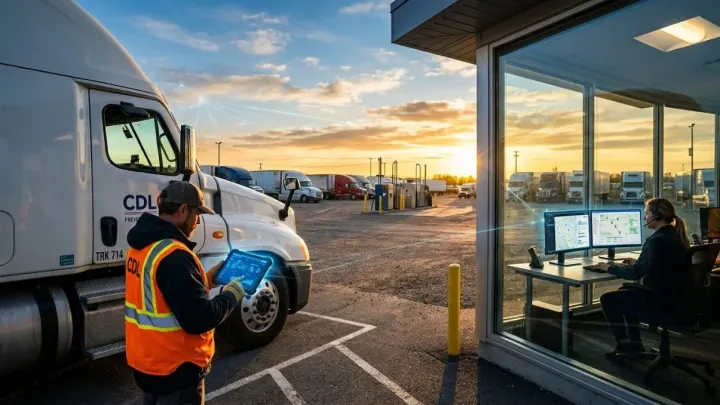
Workplace compliance testing is evolving rapidly, and Artificial Intelligence (AI) is becoming a major force behind this transformation. Businesses across the United States are now using smarter tools to improve workplace safety, reduce risks, and meet regulatory requirements more efficiently. From drug testing programs to policy monitoring and data management, AI is changing how organizations approach compliance testing.
As industries continue to grow, employers need faster, more accurate, and more reliable systems. AI offers solutions that can streamline testing processes, reduce human error, and help companies stay compliant with changing laws. In this article, we'll explore how AI is shaping the future of workplace compliance testing and why businesses should pay attention.
What Is Workplace Compliance Testing?
Workplace compliance testing refers to procedures and programs designed to ensure employees and organizations follow industry regulations, company policies, and legal standards. This may include:
- Drug and alcohol testing
- DOT compliance testing
- Background screening
- Safety audits
- Health screenings
- Policy adherence monitoring
These testing programs are especially important in safety-sensitive industries such as transportation, healthcare, construction, logistics, and manufacturing. To understand exactly who is subject to these requirements, see our guide on DOT-covered employees in safety-sensitive positions.
The Role of AI in Compliance Testing
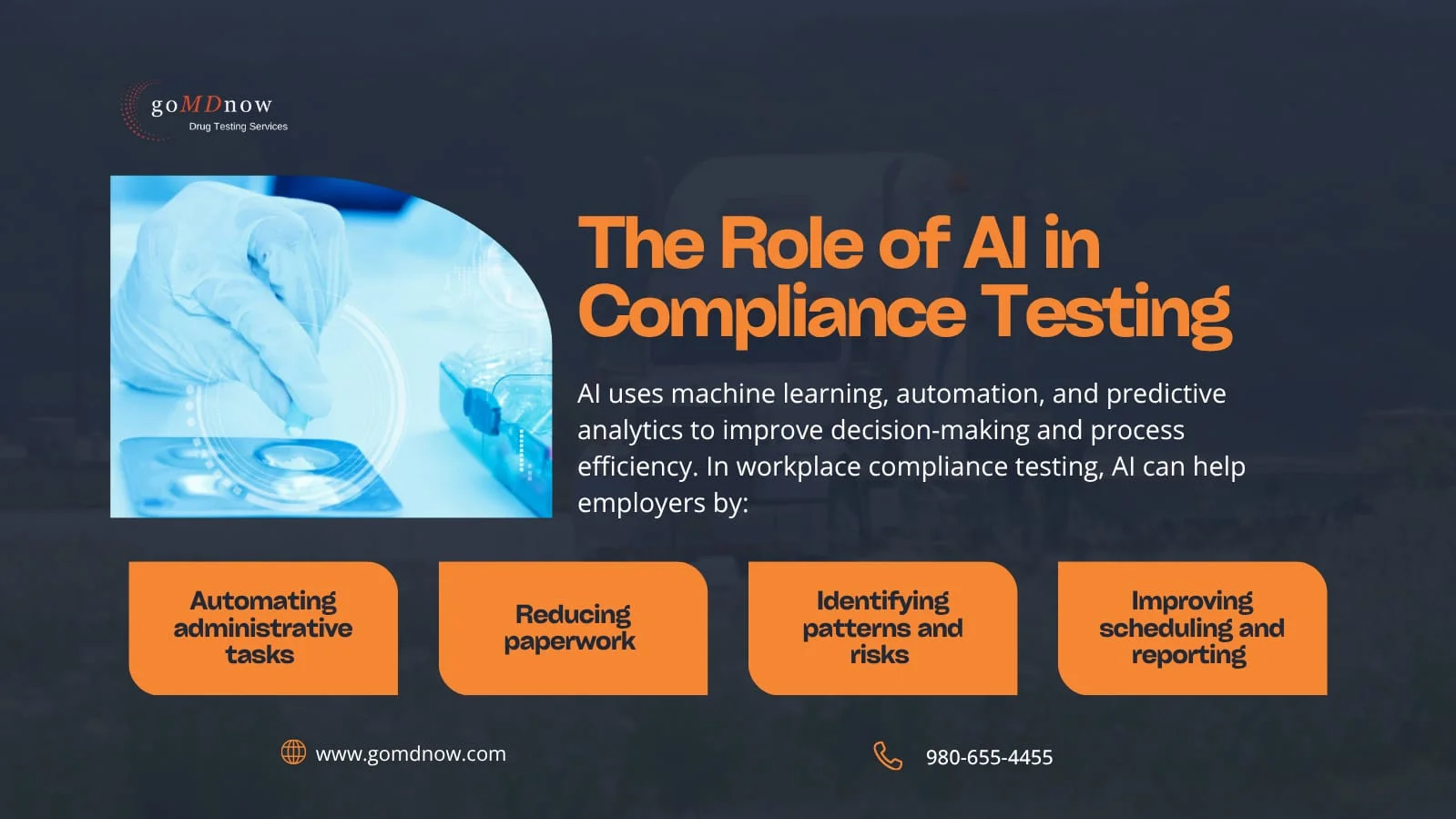
AI uses machine learning, automation, and predictive analytics to improve decision-making and process efficiency. In workplace compliance testing, AI can help employers by:
- Automating administrative tasks
- Reducing paperwork
- Identifying patterns and risks
- Improving scheduling and reporting
- Enhancing result accuracy
- Supporting faster compliance decisions
Instead of relying only on manual systems, businesses can now use intelligent software to manage testing programs with more precision.
How AI Is Transforming Drug Testing Programs
Drug testing remains one of the most important parts of workplace compliance. AI can support modern drug testing programs in several ways:
1. Smart Scheduling for Random Testing
AI systems can automate random drug testing selections while ensuring fairness and compliance. This is especially valuable for DOT-regulated companies that require unbiased random testing pools. Employers not already enrolled in a DOT random testing consortium face particularly high manual complexity in managing these obligations.
2. Faster Result Management
AI tools can organize results, track completion rates, and flag missing documentation quickly. This reduces delays and helps HR teams stay organized — particularly important given the Clearinghouse reporting deadlines that DOT employers must meet.
3. Trend Analysis
AI can analyze workplace data to identify trends such as increased absenteeism, higher incident rates, or recurring compliance issues. Employers can then take proactive action before these patterns become costly compliance failures.
4. Reduced Human Error
Manual data entry can lead to mistakes. AI-powered systems minimize errors in records, scheduling, and reporting — including the chain of custody documentation that must be accurate for results to be legally defensible.
AI and DOT Compliance Testing
For transportation companies, DOT compliance testing is critical. Missing a requirement can lead to penalties, failed audits, or safety risks. AI can simplify DOT compliance by:
- Tracking employee testing deadlines
- Managing random pool selections
- Monitoring policy updates
- Organizing digital records
- Sending automated reminders
- Improving audit readiness
Companies that use AI tools can stay ahead of deadlines and reduce administrative burden.
Predictive Compliance Monitoring
One of the most valuable benefits of AI is predictive analytics. Instead of reacting after a problem happens, AI can identify risks before they become major issues.
For example, AI may detect:
- Departments with incomplete training records
- Employees overdue for testing
- Increased incident reports in specific locations
- Gaps in policy acknowledgments
- Patterns suggesting higher compliance risk
This proactive approach can save time, money, and reputational damage — and reduce the risk of the DOT violations that trigger audits and civil penalties.
Improved Employee Experience
Compliance testing does not have to feel stressed or confused. AI-powered platforms can improve the employee experience through:
- Easy online scheduling
- Automated reminders
- Digital forms and signatures
- Faster updates on next steps
- Reduced wait times
When the process is simple, employees are more likely to complete requirements on time.
Data Security and Confidentiality
Handling compliance data requires strong privacy standards. Modern AI systems often include:
- Secure cloud storage
- Access controls
- Audit trails
- Encrypted records
- Automated retention policies
This helps businesses protect sensitive employee information while meeting legal requirements — including the data privacy obligations that apply to MRO result reporting and Clearinghouse records.
AI-Powered Reporting and Documentation
AI can automatically generate reports, store testing records, and organize compliance documents in one secure system. This makes audits easier, reduces paperwork, and helps employers access important information quickly when needed.
Staying Competitive with Smart Compliance Solutions
Companies that adopt AI-driven compliance testing can save time, lower administrative costs, and improve workplace safety. Using modern solutions also shows employees and clients that the business values efficiency, accuracy, and regulatory responsibility.
Challenges of AI in Workplace Testing
While AI offers many advantages, it should be implemented responsibly. Employers should consider:
1. Human Oversight
AI should support decisions, not replace professional judgment completely. All final employment actions based on drug test results must still involve qualified human review.
2. Bias Prevention
Systems must be designed carefully to avoid unfair outcomes.
3. Data Accuracy
AI is only as effective as the data it receives.
4. Regulatory Compliance
Businesses must ensure technology use aligns with employment laws and privacy rules — including DOT-specific recordkeeping requirements under 49 CFR Part 40.
The Future of Compliance Testing
The future of workplace compliance testing will likely combine AI, automation, and expert oversight. We can expect:
- Real-time compliance dashboards
- Smarter mobile testing coordination
- Automated policy updates
- Better reporting tools
- Faster drug testing workflows
- Predictive risk alerts
- More personalized employee communication
Businesses that adapt early may gain stronger compliance performance and safer workplaces.
Why Choose goMDnow for Workplace Compliance Testing
At goMDnow, we understand the importance of reliable and efficient workplace compliance solutions. We help businesses streamline testing programs, improve operational efficiency, and maintain confidence in their compliance processes.
Whether your company needs drug testing services, DOT compliance support, or modern workplace screening solutions, goMDnow is a trusted partner committed to professionalism, accuracy, and convenience. Explore our nationwide testing network or review our drug testing pricing.
FAQs
1. What is workplace compliance testing?
It includes testing and processes that ensure employees and businesses meet legal, safety, and policy requirements.
2. How does AI help with drug testing?
AI helps automate scheduling, manage records, reduce errors, and improve reporting.
3. Is AI replacing human compliance teams?
No, AI supports teams by improving efficiency, but human oversight is still important.
4. What industries benefit most from compliance testing?
Transportation, healthcare, construction, logistics, and manufacturing often rely heavily on testing programs.
5. Why choose goMDnow?
goMDnow offers dependable workplace compliance testing solutions with a focus on accuracy, convenience, and professional support. Learn more about why every DOT employer needs a TPA or C/TPA.
Conclusion
AI is reshaping the future of workplace compliance testing by making programs faster, smarter, and more efficient. From random drug testing automation to predictive compliance monitoring, businesses now have powerful tools to reduce risk and improve workplace safety.
However, the best results come when technology is combined with expert guidance and trusted service providers. Companies that embrace innovation today will be better prepared for tomorrow's compliance demands.
If your organization is ready to modernize its testing strategy, goMDnow can help you stay compliant with confidence.