
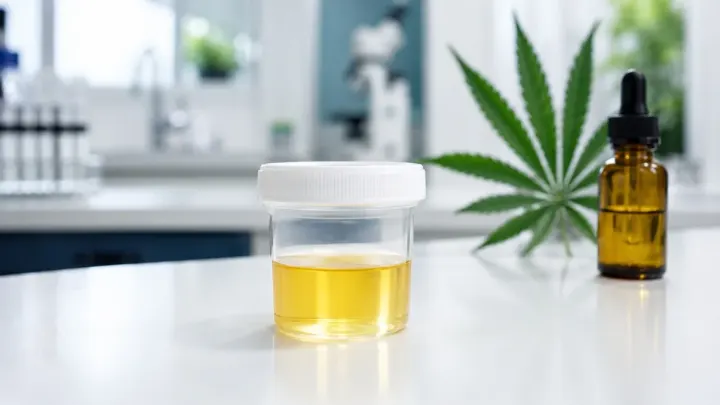
Hemp products like CBD oils, gummies, and wellness supplements are widely used for relaxation, pain relief, and better sleep. They are often marketed as "natural" and "non-psychoactive," leading many people to assume they are completely safe when it comes to drug testing. But here is the reality: even legal hemp products can cause a failed drug test — and 2026 brings major federal changes that every employee, driver, and safety-sensitive worker needs to understand.
This guide breaks down how hemp interacts with drug tests, the critical 2026 federal law changes, which products carry the most risk, and what DOT-covered employees in safety-sensitive positions need to know to protect their careers.
Major 2026 Federal Hemp Law Update: What Changed
On November 12, 2025, President Trump signed Public Law 119-37, which fundamentally redefined what counts as legal hemp under federal law. This is the most significant change to hemp regulation since the 2018 Farm Bill — and it directly affects workers, employers, and drug testing programs.
The new law replaces the old 0.3% Delta-9 THC concentration standard with two new, stricter standards:
- Total THC Standard: Products must now measure total THC — including THCA (which converts to THC when heated) and all other THC isomers — not just Delta-9 THC alone. This eliminates the loophole that previously allowed high-potency products to remain technically "legal."
- 0.4mg Per-Container Cap: The entire container of a hemp product cannot contain more than 0.4 milligrams of total THC. This is an extremely low threshold — the practical reality is that the vast majority of existing full-spectrum CBD products, gummies, and tinctures on the market today will exceed this limit and become federally reclassified as Schedule I controlled substances.
These restrictions take effect November 12, 2026 (365 days after enactment), giving employers and consumers a transition period. However, the changes are already disrupting the hemp market — many products that were legal in 2024 are now in a gray area or will become illegal before the end of 2026.
Delta-8 and THCA Are Now Federally Banned
Under Public Law 119-37, Delta-8 THC, THCA, and similar hemp-derived intoxicants are explicitly restricted. The new Total THC standard closes the loophole that previously allowed these substances to be sold legally. Workers who use any product containing Delta-8 or THCA — including those previously marketed as "legal hemp" — face the same drug testing consequences as marijuana use.
Marijuana Rescheduling: What It Means for Drug Testing
On December 18, 2025, an Executive Order directed the Department of Justice to complete the rescheduling of marijuana from Schedule I to Schedule III of the Controlled Substances Act. However, the DOT confirmed on December 19, 2025 that DOT drug testing regulations are completely unchanged. Safety-sensitive transportation employees are still subject to testing for marijuana under 49 CFR Part 40. Rescheduling does not affect DOT testing requirements, MRO procedures, or SAP evaluations.
What Are Hemp Products?
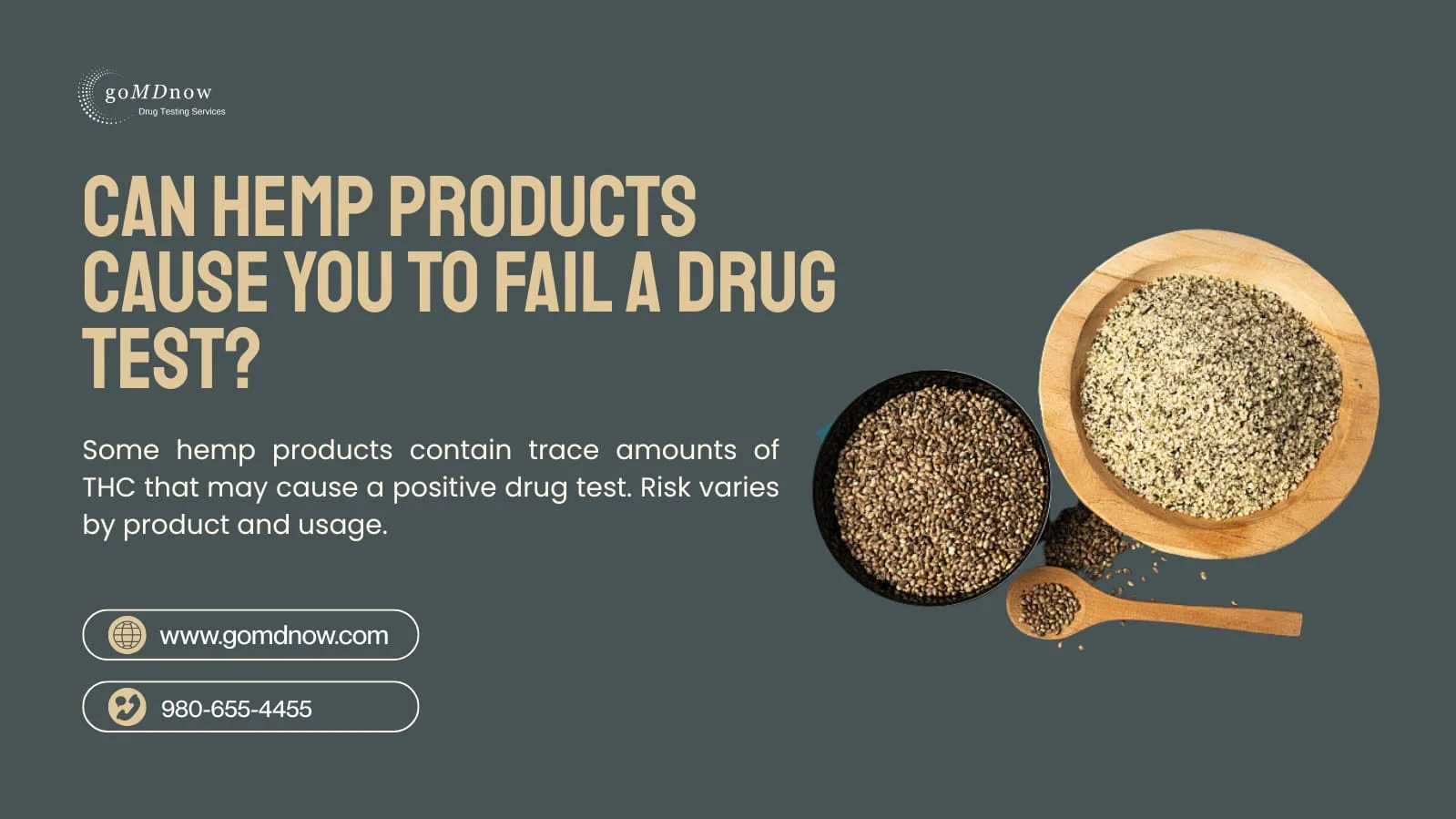
Hemp is a variety of the cannabis plant that historically contained very low levels of THC. Common hemp products include CBD oil, hemp gummies, hemp capsules, hemp creams and lotions, hemp beverages, hemp protein powder, full-spectrum CBD products, broad-spectrum CBD products, and hemp seed oil. Many people assume these products are completely safe for drug testing, but — especially given the 2026 federal changes — that assumption is increasingly dangerous.
Why Hemp Products Can Cause a Positive Drug Test
Most workplace drug tests are designed to detect THC metabolites — not whether the THC came from marijuana or hemp. Even though legal hemp products have historically contained less than 0.3% THC, repeated use can allow small amounts of THC to build up in the body over time. The detection window for THC metabolites can extend several weeks for regular users, regardless of the source of the THC.
Factors that increase the risk include frequent use, high-dose CBD products, full-spectrum hemp extracts, poor manufacturing quality, incorrect product labeling, and contaminated products. As a result, someone who regularly uses hemp products may test positive for THC — and under DOT rules, the source of the THC is irrelevant.
Which Hemp Products Carry the Highest Risk?
Full-Spectrum CBD
Full-spectrum CBD contains multiple cannabinoids including small amounts of THC. Under the new 0.4mg per-container cap taking effect November 2026, most full-spectrum products on shelves today will exceed this threshold. Regular use significantly increases the risk of a positive drug test.
CBD Gummies and Edibles
Many gummies contain trace THC even when marketed as hemp products. Given that the 0.4mg total THC cap applies to the entire container — not per serving — a multi-serving bag of gummies will almost universally exceed the new legal threshold under Public Law 119-37.
CBD Oils and Tinctures
Daily use of CBD oils may lead to THC accumulation if the product contains detectable levels. A legally compliant 4-ounce bottle of full-spectrum CBD tincture will almost certainly exceed the new 0.4mg container cap — meaning these products become controlled substances under federal law before year-end 2026.
Delta-8, THCA, and Similar Cannabinoids
As noted above, Delta-8, THCA, and similar products are now federally banned under Public Law 119-37. These products were previously marketed as legal hemp alternatives but can easily cause a positive drug test — and are now a Schedule I controlled substance under the new federal definition.
Unregulated Hemp Supplements
Products from unreliable manufacturers may contain significantly more THC than stated on the label. Third-party testing and certificate of analysis (COA) verification are essential when evaluating any hemp product.
Are THC-Free Hemp Products Safe?
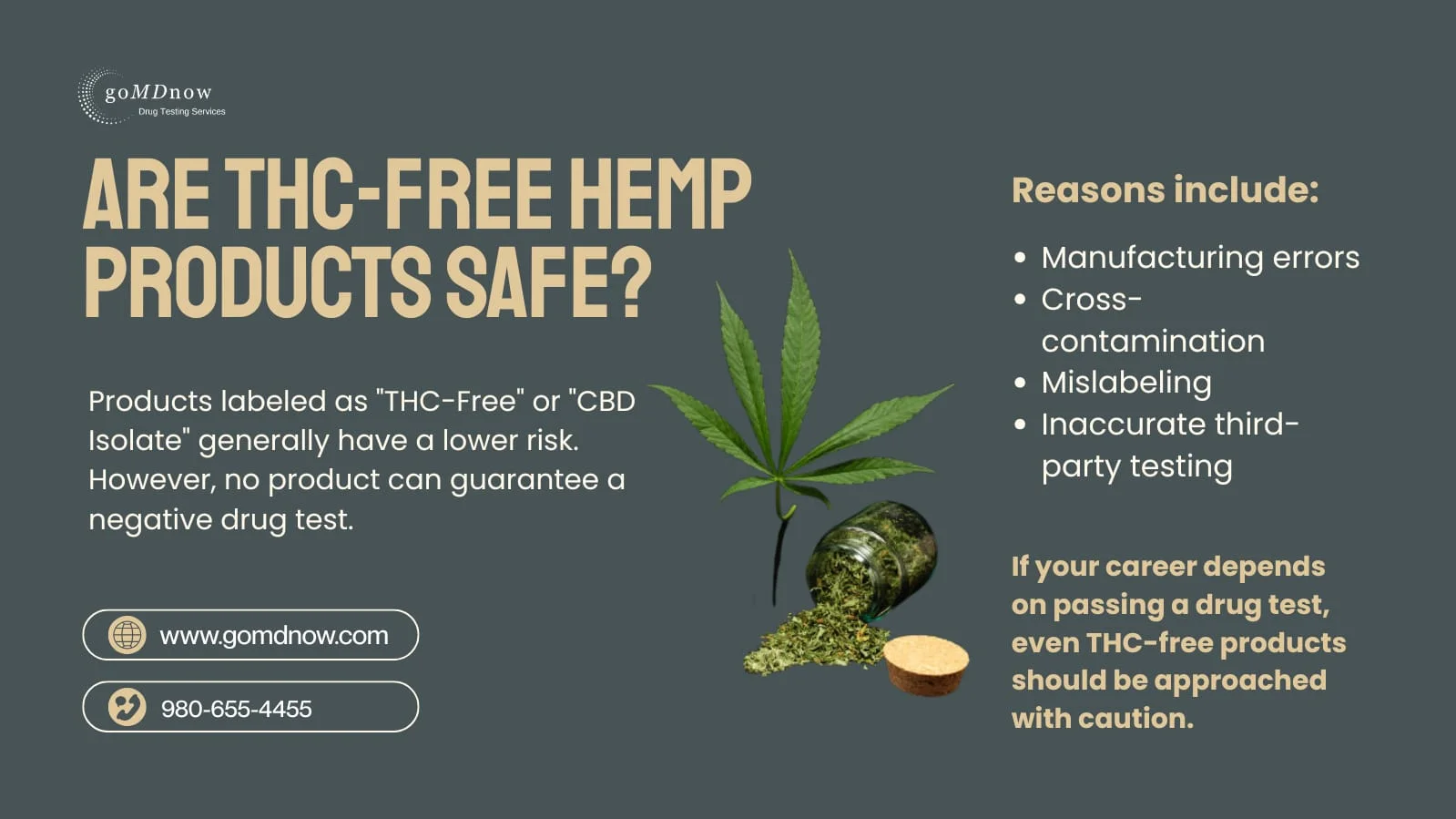
Products labeled "THC-Free" or "CBD Isolate" generally carry a lower risk. However, no product can guarantee a negative drug test due to manufacturing errors, cross-contamination, mislabeling, and inaccurate third-party testing. If your career depends on passing a drug test, even THC-free products should be approached with caution. Learn about the top reasons for false positive drug test results and how to protect yourself.
CBD Use Is Not a Defense Under DOT Rules
This is one of the most critical points for safety-sensitive workers: pure CBD itself is not screened for in standard workplace drug tests — but many CBD products contain trace amounts of THC that are detected. DOT's official policy is that CBD use is not accepted as a valid medical explanation for a positive THC result. The Medical Review Officer (MRO) cannot excuse a positive result on the basis that the THC came from a hemp-derived CBD product. Understand the role of the Medical Review Officer (MRO) in the drug testing process and what a verified positive result means for your employment.
Supreme Court Case: Trucker vs. Hemp CBD Company
The U.S. Supreme Court agreed in 2024 to hear the case of Douglas Horn, a trucker who was terminated after a hemp-derived CBD product caused a positive THC test. He sued Medical Marijuana Inc. under the RICO Act. This landmark case underscores the real-world career consequences of hemp product use for safety-sensitive workers — and has drawn national attention to how unregulated hemp products impact drug testing outcomes.
Hemp Products and DOT Drug Testing
For commercial drivers and other DOT-regulated employees, the rules are especially strict. The DOT does not distinguish between THC from marijuana and THC from hemp products. A positive THC result triggers removal from safety-sensitive duties, a required SAP evaluation, the Return-to-Duty testing process, and follow-up testing — regardless of whether the THC came from a legally purchased CBD product. Learn about what happens if you fail a DOT drug test and the full consequences for CDL drivers.
DOT-covered employees should avoid all hemp-derived products that could contain any level of THC — including products that were previously considered safe or "legal." The 2026 federal changes make the landscape even more complex as the market transitions.
How Long Can THC From Hemp Stay in Your Body?
Detection windows vary significantly. Occasional users may clear THC within a few days to one week. Moderate users may test positive for one to three weeks. Frequent users can test positive for several weeks or longer. Factors affecting detection include body fat percentage, metabolism, frequency of use, product potency, overall health, and the type of drug test used. No detox product or home remedy can guarantee a negative drug test.
Types of Drug Tests and Hemp Products
Urine Test — The most common workplace and DOT drug test. It detects THC metabolites and may produce a positive result after hemp product use. Required for all DOT 5-panel drug testing events.
Saliva Test — Detects recent THC exposure within hours to 48 hours. Not currently authorized for DOT-regulated testing.
Blood Test — Measures active compounds and is generally used only in special circumstances such as post-accident investigations.
Hair Follicle Test — Can detect drug use over a much longer period, often up to 90 days. Not approved for DOT-regulated testing programs.
How to Reduce the Risk of Failing a Drug Test
If you are subject to regular drug testing, choose CBD isolate products that contain the least amount of THC. Always review independent third-party laboratory reports (Certificate of Analysis) before purchasing any hemp product. Buy only from reputable companies and avoid unverified online sellers. Do not assume "hemp" automatically means THC-free, and completely avoid full-spectrum products, Delta-8, THCA, and any product that may contain intoxicating cannabinoids. If you have a scheduled test, stopping hemp product use well in advance reduces — but does not eliminate — risk. Understand how long drug test results take and plan accordingly.
Common Myths About Hemp and Drug Testing
Myth 1: Hemp products cannot cause a positive test.
False. Some hemp products contain enough THC to trigger a positive result — and under
the new 0.4mg federal cap, far more products now qualify as controlled substances than before.
Myth 2: CBD is always safe for drug testing.
False. Many CBD products contain trace THC. DOT does not accept CBD use as a valid
explanation for a positive result.
Myth 3: Legal products cannot affect drug tests.
False. Legal status under state or federal law does not prevent THC detection. And with
Public Law 119-37, many formerly "legal" products will become controlled substances by
late 2026.
Myth 4: Delta-8 is legal so it won't cause a failed test.
False. Delta-8 was federally banned under Public Law 119-37 signed November 2025.
It also easily triggers a positive drug test for THC.
Myth 5: Home detox kits guarantee passing.
False. No product can guarantee passing a drug test. Labs test for specimen validity
and can detect dilution or adulteration. Learn about
other factors that can unexpectedly affect drug test results.
Who Should Be Extra Careful?
Certain individuals face the greatest consequences from positive drug tests. Commercial truck drivers, bus drivers, pilots, railway workers, government employees, construction workers, healthcare professionals, law enforcement officers, athletes, and job applicants in safety-sensitive industries all face career-ending consequences from a positive result. For these groups, avoiding all hemp products — not just full-spectrum ones — is the only reliably safe approach given current DOT policy and the 2026 federal law transition.
goMDNow: Professional Drug Testing and Compliance Support
At goMDNow, we understand that drug testing regulations can be confusing — especially with major 2026 federal hemp law changes reshaping what products are legal and what substances are being detected. Our team helps employers, owner-operators, and DOT-regulated businesses stay compliant through reliable testing and program management services, including DOT drug and alcohol testing, random testing programs, consortium and third-party administration, pre-employment testing, post-accident testing, Return-to-Duty and follow-up testing, and compliance guidance and support. Whether you manage a fleet or operate independently, contact us today to keep your business compliant.
Final Thoughts
Can you fail a drug test after using hemp products? Yes — and in 2026, the stakes are higher than ever. While hemp products historically contained lower levels of THC than marijuana, federal law now imposes a strict 0.4mg per-container total THC cap, Delta-8 and THCA are federally banned, and DOT continues to test for THC regardless of source or rescheduling status. For safety-sensitive workers, the only reliably safe approach is to avoid hemp products that may contain any amount of THC until the regulatory landscape fully stabilizes.
FAQs
1. Can hemp products make you fail a drug test?
Yes. Some hemp products contain enough THC to trigger a positive result. With 2026 federal
law changes redefining hemp, many formerly "legal" products are now controlled substances —
and DOT testing does not distinguish between hemp-derived and marijuana-derived THC.
2. Does pure CBD show up on a drug test?
Standard DOT drug tests do not target CBD, but many CBD products contain trace THC.
More importantly, DOT does not accept CBD use as a valid explanation
for a positive THC result.
3. Is Delta-8 legal to use before a drug test?
No. Delta-8 was federally banned under Public Law 119-37 (signed November 2025) and
easily triggers a positive drug test for THC. CDL drivers and safety-sensitive workers
should completely avoid it.
4. Can DOT drivers use hemp-derived CBD products?
DOT strongly advises caution. CBD use is not a valid defense for a positive THC result under
DOT testing rules. Removal from safety-sensitive duties and a mandatory
Return-to-Duty process
apply regardless of the THC source.
5. Did marijuana rescheduling change DOT drug testing?
No. DOT confirmed on December 19, 2025 that all DOT drug testing regulations under 49
CFR Part 40 remain unchanged. Safety-sensitive employees are still tested for marijuana
regardless of any federal rescheduling action.
6. How can I avoid failing a drug test from hemp products?
Choose only CBD isolate products with verifiable third-party lab reports, avoid all
full-spectrum products, and completely avoid Delta-8, THCA, and any hemp product that
may contain intoxicating cannabinoids. When in doubt, stop using all hemp products
well before any testing event.