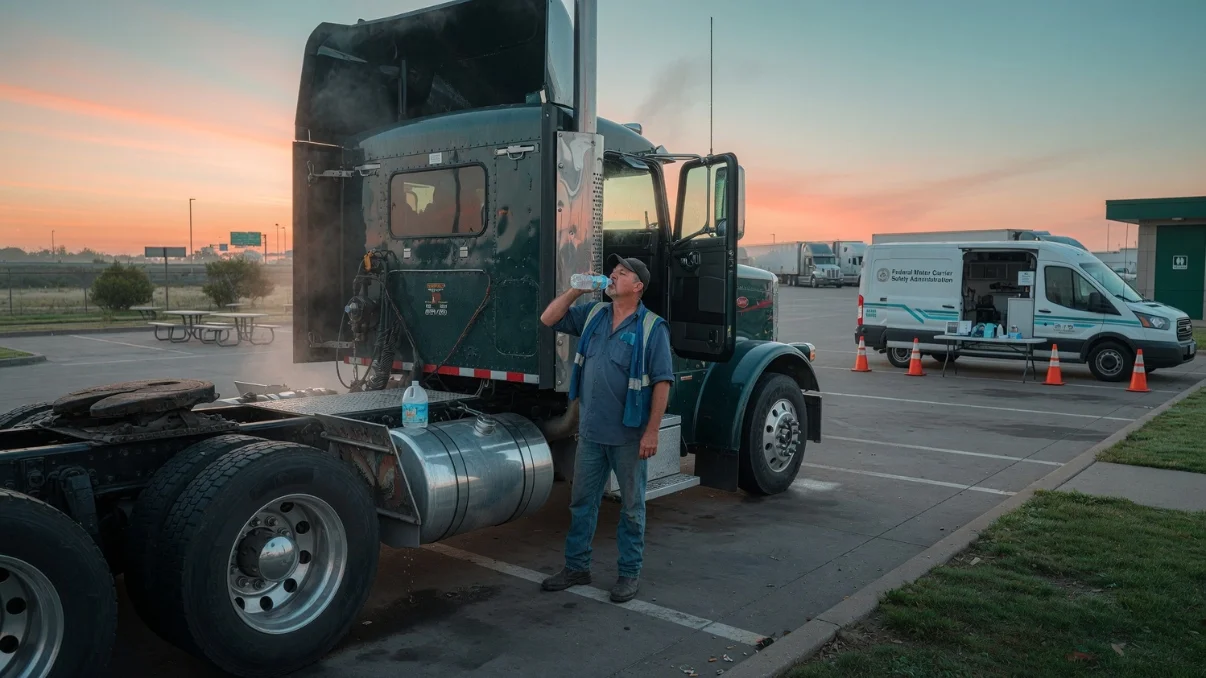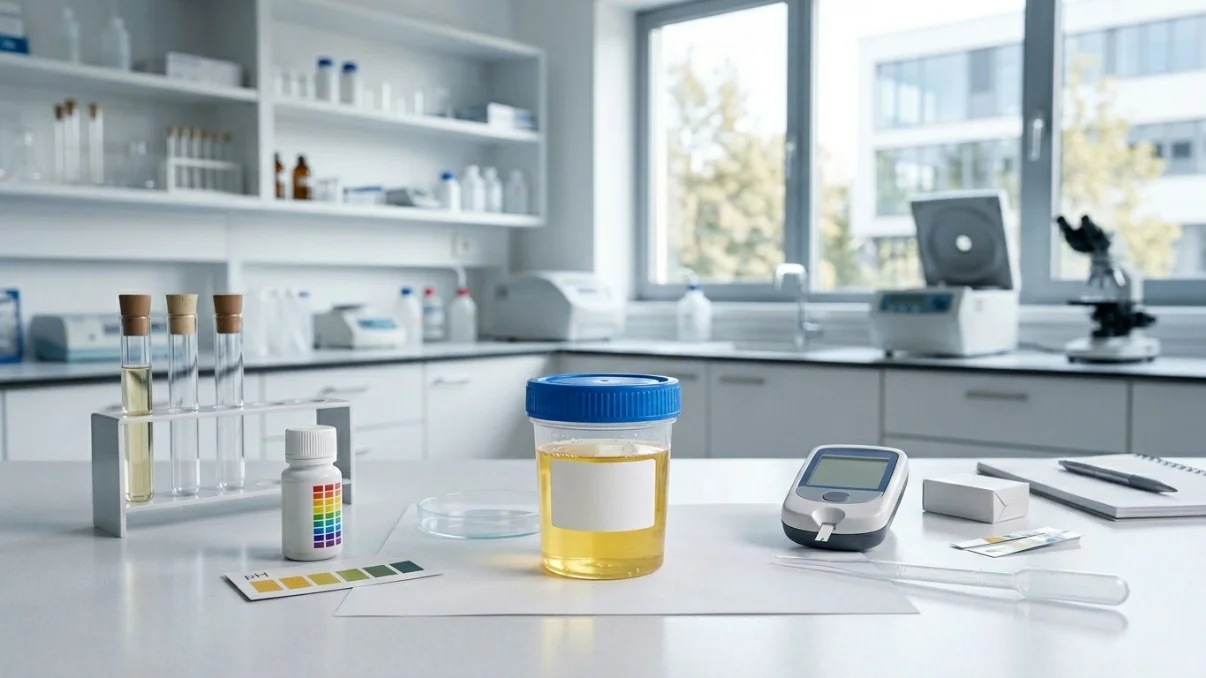

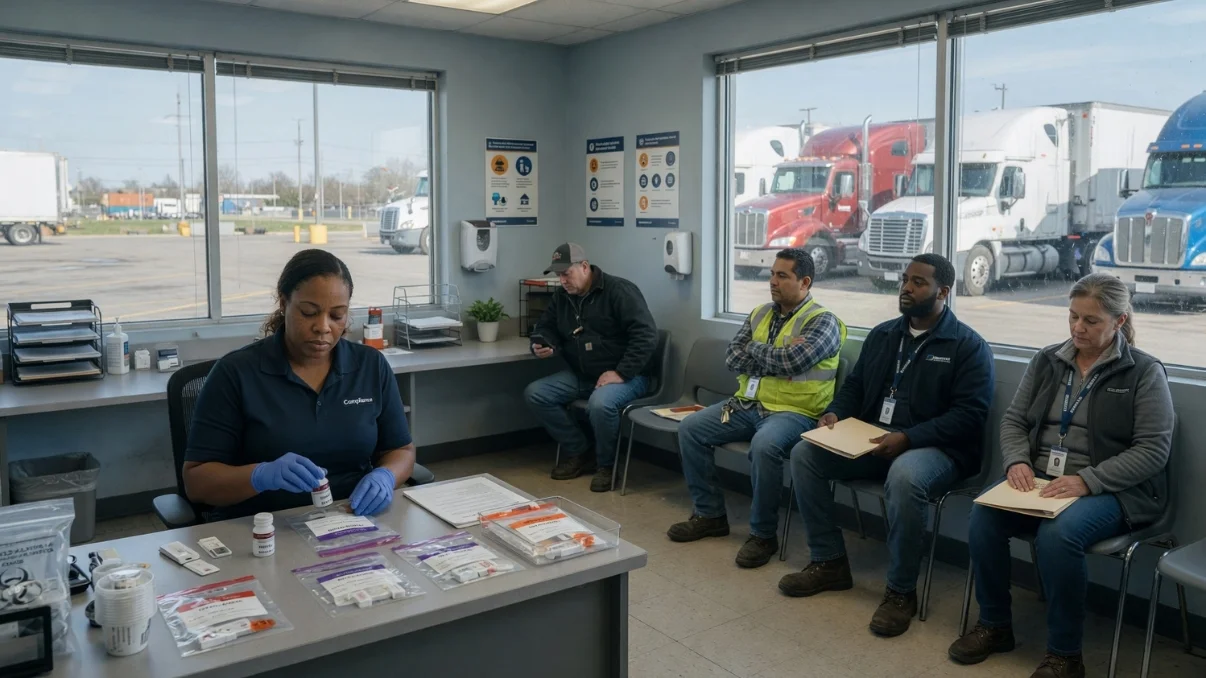
Workplace drug testing in the United States continues to change as employers respond to marijuana legalization, opioid and fentanyl concerns, DOT compliance requirements, and rising workplace safety risks. For companies in transportation, trucking, construction, healthcare, manufacturing, logistics, and warehousing, a strong drug and alcohol testing program is no longer just a hiring step. It is an important part of safety, risk management, and regulatory compliance.
This guide explains the latest workplace drug testing trends, how employers can identify possible drug abuse concerns, and what businesses should do to keep their drug-free workplace policies accurate, fair, and compliant.
Why Workplace Drug Testing Still Matters
Drug and alcohol misuse can affect productivity, attendance, employee behavior, accident rates, customer safety, and company liability. In safety-sensitive industries, one impaired employee can create serious risks for coworkers, customers, drivers, patients, or the general public.
Employers use workplace testing to support safer workplaces, improve hiring decisions, reduce accident risks, discourage ongoing drug use, maintain accountability, and meet federal or industry-specific requirements. For DOT-regulated companies, drug and alcohol testing is especially important because drivers and other safety-sensitive employees must follow strict federal testing rules.
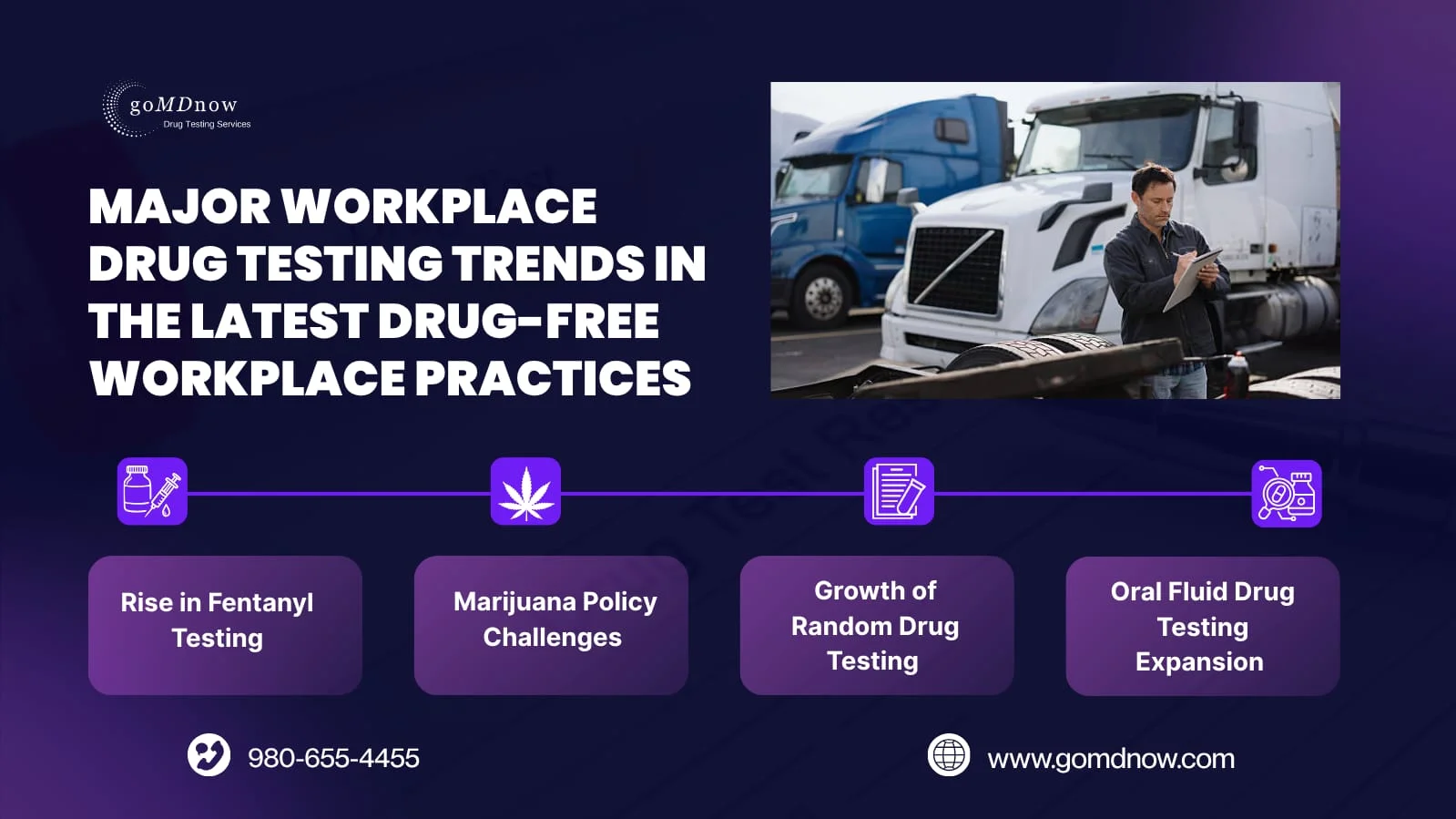
Major Workplace Drug Testing Trends in the U.S.
1. Increased Focus on Fentanyl Testing
Fentanyl remains a major workplace safety concern because of its high impairment and overdose risk. Employers are paying closer attention to fentanyl screening, especially in random testing and post-accident testing situations.
Federal agencies have also moved toward expanding federally regulated testing panels. HHS added fentanyl and related testing requirements to federal workplace testing guidelines, and DOT published a proposed rule to add fentanyl and norfentanyl to DOT drug testing panels. Employers should monitor final DOT rulemaking before changing DOT policy language, but they can prepare internal policies and vendor processes now.
2. Marijuana Policy Challenges
Marijuana remains one of the most difficult workplace drug testing issues because state marijuana laws continue to differ from federal law. Some employers have reduced or removed THC screening for certain non-safety-sensitive roles, while DOT-regulated employees must still follow federal testing requirements.
For DOT-covered workers, marijuana is still tested under federal rules. Employers should clearly separate DOT and non-DOT policies so employees understand which rules apply to their position. If your company needs help understanding the difference, review this guide on DOT vs non-DOT drug testing.
3. Growth of Random Drug Testing Programs
More employers are relying on random drug testing because it helps discourage ongoing substance misuse after hiring. Pre-employment testing only gives employers information before a worker starts the job. Random testing creates continued accountability throughout employment.
Random testing is especially common for trucking companies, logistics businesses, warehousing operations, manufacturing plants, construction companies, and public transportation employers. DOT-regulated motor carriers can also use a random testing consortium to manage selections and maintain compliance.
4. Oral Fluid Drug Testing Expansion
Oral fluid testing is becoming more important because it is directly observed, harder to tamper with, and better suited for detecting recent drug use. However, DOT-regulated employers must be careful with implementation.
DOT rules allow oral fluid testing as an additional methodology, but DOT employers cannot fully use it until there are at least two HHS-certified oral fluid laboratories and the required collection devices are available. Until that requirement is met, urine testing remains the practical standard for DOT-regulated testing. Non-DOT employers may use oral fluid testing where allowed by state law and company policy.
5. More Attention to Test Tampering and Specimen Validity
Employers are also seeing more concerns around substituted specimens, synthetic urine, diluted samples, and other attempts to avoid accurate testing. This is why proper collection procedures, specimen validity testing, and chain-of-custody documentation are critical.
To reduce errors and protect the integrity of results, employers should use trained collectors and reliable testing partners. Learn more about specimen validity testing and how it supports accurate drug testing.
Common Types of Workplace Drug Testing
Pre-Employment Drug Testing
Pre-employment testing is completed before a candidate begins work. Employers use it to confirm that applicants meet company drug-free workplace standards. For safety-sensitive positions, pre-employment testing helps reduce risk before a worker performs job duties. Read more about pre-employment drug testing.
Random Drug Testing
Random testing selects employees unpredictably throughout the year. It is one of the most effective ways to discourage ongoing substance misuse and is required for many DOT-regulated employees. Employers should maintain a documented selection process and avoid predictable testing patterns.
Post-Accident Drug Testing
Post-accident testing may be required after certain workplace incidents to determine whether drugs or alcohol may have contributed to the accident. DOT employers must follow specific timing and documentation rules. Learn more about post-accident drug testing.
Reasonable Suspicion Testing
Reasonable suspicion testing may be requested when trained supervisors observe signs that an employee may be impaired. These observations should be specific, documented, and based on appearance, behavior, speech, body odors, or work performance. See our guide to reasonable suspicion drug testing.
Return-to-Duty Testing
Return-to-duty testing applies when an employee has violated a drug and alcohol testing policy and must complete required steps before returning to safety-sensitive work. For DOT drivers, this process includes the SAP evaluation, required education or treatment, a return-to-duty test, and follow-up testing. Review the return-to-duty process for more details.
Signs of Possible Drug Abuse in the Workplace
Employers should never rely on assumptions or stereotypes when dealing with possible drug abuse. Instead, managers and HR teams should be trained to identify specific, observable, and documented workplace concerns.
Behavioral Signs
- Frequent lateness or unexplained absences
- Sudden mood swings or unusual aggression
- Isolation from coworkers
- Confusion, poor focus, or unusual decision-making
- Unexplained changes in work habits
Physical Signs
- Bloodshot eyes
- Slurred speech
- Poor coordination
- Tremors or unusual fatigue
- Strong odors, poor hygiene, or sudden appearance changes
Performance Signs
- Missed deadlines
- Reduced productivity
- Increased mistakes or accidents
- Poor judgment
- Customer or coworker complaints
Supervisor training is important because reasonable suspicion decisions must be based on documented observations, not personal opinions. DOT employers should also understand the role of the Designated Employer Representative and proper reporting procedures.
Industries Most Affected by Workplace Drug Testing Concerns
Transportation and Trucking
DOT-regulated trucking companies must follow federal drug and alcohol testing rules, maintain records, complete Clearinghouse requirements, and manage return-to-duty cases properly. Owner-operators and small fleets often use professional compliance support to avoid costly mistakes.
Construction
Construction workers often operate heavy machinery, work at heights, and perform hazardous tasks. Drug or alcohol impairment can increase injury risks for the employee and the entire jobsite.
Manufacturing and Warehousing
Manufacturing plants and warehouses depend on alert workers who can safely operate forklifts, machines, vehicles, and shipping equipment. Random testing and post-accident testing can help reduce workplace risk.
Healthcare
Healthcare employers must protect patients, medication systems, and workplace safety. Drug testing policies may also help address concerns related to medication misuse or impaired performance in patient-care settings.
Logistics and Delivery
Logistics employees may drive vehicles, handle shipments, operate equipment, or work under tight deadlines. Testing programs help employers maintain safety and accountability in fast moving operations.
DOT Drug Testing Requirements Employers Should Know
DOT-regulated employers must follow strict drug and alcohol testing rules for safety-sensitive employees. These requirements may include pre-employment testing, random testing, post-accident testing, reasonable suspicion testing, return-to-duty testing, and follow-up testing.
Employers must also maintain proper chain-of-custody documentation, use qualified testing providers, work with Medical Review Officers, complete FMCSA Clearinghouse reporting when required, and keep accurate records for audits. For help with federal testing requirements, read our guide on DOT rules and regulations.
How Employers Can Address Workplace Drug Abuse
Create a Clear Drug-Free Workplace Policy
Every employer should have a written policy that explains prohibited substances, testing reasons, testing procedures, employee responsibilities, consequences of violations, and return-to-duty requirements. Policies should be reviewed regularly because state marijuana laws, federal rules, and testing technology continue to change.
Educate Employees
Employee education helps workers understand workplace safety risks, company expectations, testing procedures, privacy protections, and available support resources. Clear communication reduces confusion and improves compliance.
Train Supervisors
Supervisors should know how to recognize observable signs of impairment, document concerns, and follow company procedures. Training is especially important for reasonable suspicion testing and DOT-regulated workplaces.
Use Professional Drug Testing Services
Reliable testing partners help employers manage scheduling, collections, laboratory testing, Medical Review Officer review, random selections, reporting, and documentation. A qualified provider can also help employers avoid common mistakes in testing programs.
Support Recovery Where Appropriate
Many employers also use Employee Assistance Programs, rehabilitation support, or structured return-to-duty processes when appropriate. A balanced approach can support workplace safety while giving employees a path to return to compliant work.
The Role of Technology in Drug Testing
Technology is improving workplace testing through electronic chain-of-custody forms, automated random selections, digital compliance tracking, faster reporting, and online record management. These tools help reduce paperwork errors and make audits easier.
Employers that still rely on manual files and inconsistent documentation should consider moving toward digital testing and compliance management systems. This is especially useful for companies with multiple locations, remote employees, or DOT-regulated workers.
Common Challenges Employers Face
Different State Marijuana Laws
Multi-state employers must carefully manage drug testing policies because marijuana laws vary by state. A policy that works in one state may not be suitable in another, especially for non-DOT positions.
Employee Privacy Concerns
Employers must balance workplace safety with privacy, confidentiality, and fair testing procedures. Testing should be job-related, policy-based, and consistently applied.
Specimen Problems and Test Delays
Dilute specimens, incomplete paperwork, collection errors, and transportation delays can slow down results. Proper collection training and chain-of-custody procedures help prevent avoidable problems.
Remote and Distributed Workforces
Remote work and multi-location teams can make scheduling and policy enforcement more complicated. Employers should define when testing applies, how employees are sent for collection, and how results are managed securely.
Why Businesses Choose goMDnow
goMDnow provides workplace drug and alcohol testing services for employers, fleets, and owner-operators across the United States. Our services include urine and hair drug testing, breath alcohol testing, random consortium programs, DOT compliance support, FMCSA Clearinghouse support, SAP and return-to-duty assistance, and fast scheduling.
Whether your company needs pre-employment testing, random testing management, post-accident testing, or return-to-duty support, goMDnow helps simplify the process while keeping compliance and accuracy at the center of your program.
Conclusion
Workplace drug testing in the United States continues to evolve as employers respond to fentanyl concerns, marijuana policy changes, random testing needs, oral fluid testing developments, and DOT compliance responsibilities.
Employers that maintain updated policies, train supervisors, use reliable testing services, and document every step properly are better prepared to protect their workforce and reduce compliance risk. With professional support from goMDnow, businesses can build safer, stronger, and more compliant workplace drug testing programs.
Frequently Asked Questions
What is the most common workplace drug test in the U.S.?
Urine drug testing remains the most widely used workplace drug testing method. It is also
the practical standard for DOT-regulated testing while oral fluid implementation remains
limited by HHS laboratory certification requirements.
Is marijuana still tested in DOT drug testing?
Yes. DOT-regulated employees are still tested for marijuana under federal drug testing
rules, even if marijuana is legal under state law.
Why are employers paying more attention to fentanyl testing?
Fentanyl is a serious safety concern because it can cause impairment and overdose risk.
Federal workplace testing rules have moved toward fentanyl inclusion, and DOT has proposed
adding fentanyl and norfentanyl to its testing panel.
Can DOT employers use oral fluid drug testing now?
DOT has authorized oral fluid testing as an additional methodology, but employers need at
least two HHS-certified oral fluid laboratories and approved collection devices before DOT
oral fluid testing can be fully implemented.
How can companies stay compliant with workplace drug testing rules?
Companies can stay compliant by maintaining written policies, training supervisors,
following chain-of-custody procedures, documenting testing events, using qualified testing
providers, and keeping DOT and non-DOT rules separate.