
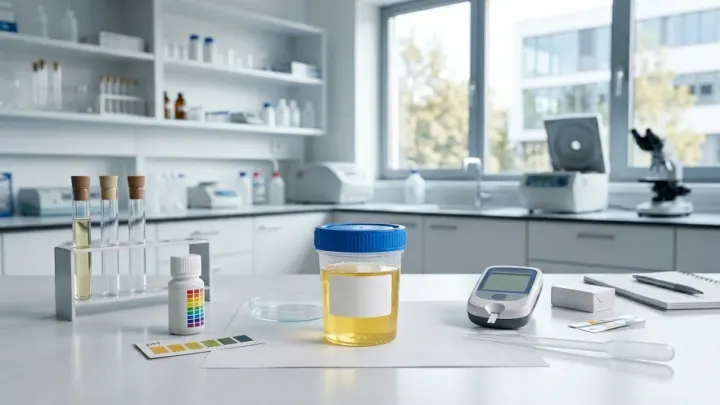
Drug testing plays a critical role in maintaining workplace safety, regulatory compliance, and public trust especially in safety-sensitive industries. However, the accuracy of drug testing doesn’t rely solely on advanced laboratory analysis. It also depends heavily on a crucial but often overlooked step: Specimen Validity Testing (SVT).
Without proper specimen validation, drug testing results can be compromised, leading to false negatives, legal issues, and unsafe environments. In this blog, we’ll explore the role of specimen validity testing in ensuring accurate drug testing results and why it’s essential for employers and organizations.
What is Specimen Validity Testing (SVT)?
Specimen Validity Testing (SVT) refers to a set of laboratory procedures used to determine whether a urine sample has been tampered with, diluted, substituted, or adulterated.
SVT checks key parameters such as:
- Creatinine levels
- Specific gravity
- pH levels
- Presence of oxidizing agents or adulterants
These indicators help labs confirm whether the sample is authentic and suitable for drug analysis.
Why Specimen Validity Testing is Important
- Prevents Drug Test Manipulation
One of the biggest challenges in drug testing is individuals attempting to “beat” the test. Common tactics include:
• Drinking excessive water to dilute urine
• Adding chemicals (bleach, vinegar, synthetic additives)
• Substituting urine with synthetic or another person’s sample
SVT detects these manipulations, ensuring that the results reflect the individual’s true drug use status. - Ensures Accurate Drug Test Results
Without SVT, a tampered sample could produce a false negative, meaning drug use goes undetected. This can:
• Compromise workplace safety
• Increase liability risks
• Lead to poor hiring decisions
By verifying specimen integrity, SVT ensures that drug testing results are reliable and defensible. - Supports Workplace Safety
In industries like transportation, construction, healthcare, and manufacturing, impaired employees can pose serious risks.
Specimen validity testing helps employers:
• Identify dishonest testing attempts
• Maintain a drug-free workplace
• Protect employees and the public
Accurate testing = safer workplaces. - Ensures Regulatory Compliance
Organizations regulated under programs like the DOT (Department of Transportation) must follow strict drug testing guidelines.
SVT is a mandatory part of regulated drug testing programs, ensuring:
• Compliance with federal regulations
• Proper documentation
• Protection against legal disputes
Failure to include SVT can result in penalties, audits, or non-compliance violations. - Detects Diluted or Invalid Samples
Sometimes, a sample may not be intentionally tampered with but still be invalid due to:
• Excessive fluid intake
• Medical conditions
• Improper collection procedures
SVT identifies:
• Dilute specimens (low creatinine, low specific gravity)
• Invalid samples (abnormal pH or chemical interference)
This allows employers to request retesting when necessary.

Key Components of Specimen Validity Testing
Understanding SVT requires a closer look at the scientific markers involved:
- Creatinine — Creatinine is a natural waste product found in the urine. Low levels may indicate dilution.
- Specific Gravity — This measures urine concentration. Abnormal levels suggest dilution or substitution.
- pH Level — Normal urine pH falls within a specific range. Extreme values may indicate adulteration.
- Oxidants/Adulterants — Labs test for chemicals commonly used to mask drug presence.
Types of Invalid Specimen Results
SVT categorizes problematic samples into different types:
- Dilute Specimen — Low creatinine and specific gravity. May require retesting.
- Substituted Specimen — Not consistent with human urine. Indicates possible fraud.
- Adulterated Specimen — Contains foreign substances. Designed to interfere with testing.
- Invalid Result — Cannot be tested due to abnormal characteristics.
Each category helps employers determine the next step in the testing process.
The Role of Technology in SVT
Modern laboratories use advanced instruments and automated systems to perform SVT with high precision. These technologies:
- Detect even trace levels of adulterants
- Provide consistent and standardized results
- Reduce human error
This ensures a high level of confidence in drug testing outcomes.
How goMDNow Enhances Drug Testing Accuracy
At goMDNow, specimen validity testing is a core part of every drug testing program. The goal is simple: deliver accurate, reliable, and compliant results every time.
GoMDNow ensures:
- Strict adherence to industry and DOT standards
- Advanced SVT protocols for every sample
- Fast and secure reporting
- Professional collection and handling procedures
By integrating SVT into every step, goMDNow helps businesses:
- Reduce risk
- Maintain compliance
- Build trust in their testing programs
Legal and Ethical Implications of Specimen Validity Testing
Specimen Validity Testing (SVT) is not only a scientific process; it also carries significant legal and ethical importance in workplace drug testing programs.
From a legal standpoint, inaccurate or unverified drug test results can lead to:
- Wrongful termination claims
- Employment disputes
- Compliance violations
- Costly litigation
By ensuring that every sample is authentic and untampered, SVT helps organizations protect themselves against legal risks and maintain defensible testing procedures.
From an ethical perspective, SVT promotes:
- Fair treatment of employees
- Transparency in testing processes
- Trust between employers and staff
Employees have the right to accurate results, and employers have the responsibility to ensure testing of integrity. Without SVT, decisions could be made based on flawed data, which can harm both individuals and organizations.
Companies like goMDNow incorporate strict specimen validity protocols to ensure that every test result is both legally sound and ethically responsible, reinforcing confidence in workplace drug testing programs.
Best Practices for Employers
To maximize the effectiveness of specimen validity testing, employers should:
- Use Certified Laboratories — Always partner with accredited labs that follow strict SVT protocols. (Learn why SAMHSA-certified labs matter)
- Train Collection Staff — Proper collection reduces errors and prevents tampering opportunities.
- Implement Clear Policies — Define procedures for handling dilute, invalid, or adulterated results.
- Educate Employees — Transparency about testing procedures can discourage manipulation attempts.
Common Myths About Specimen Validity Testing
Myth 1: Drinking water can help pass a drug test
Reality: SVT detects dilution, and results may be flagged or rejected.
Myth 2: Synthetic urine is undetectable
Reality: Modern SVT can identify substituted samples. (Read more about synthetic urine detection)
Myth 3: Adulterants always work
Reality: Labs test specifically for these substances.
Conclusion
Specimen Validity Testing is not just an additional step in drug testing; it is the foundation of accuracy and reliability. Without it, drug test results can be misleading, opening the door to safety risks, legal issues, and poor decision-making.
By detecting tampering, ensuring compliance, and validating sample integrity, SVT plays a vital role in modern drug testing programs.
Organizations that prioritize specimen validity testing like those working with goMDNow can confidently rely on their results, knowing they reflect the truth.
FAQs (Short)
- What is specimen validity testing?
It checks if a urine sample is real, unaltered, and suitable for drug testing. - What does a dilute drug test mean?
It means the urine is too diluted, often due to excess fluid intake. - Can labs detect fake urine?
Yes, modern testing can identify synthetic or substituted samples. - Why is SVT important in drug testing?
It ensures that results are accurate and not manipulated. - What happens if a sample is invalid?
The test may be canceled, and a retest is usually required.