
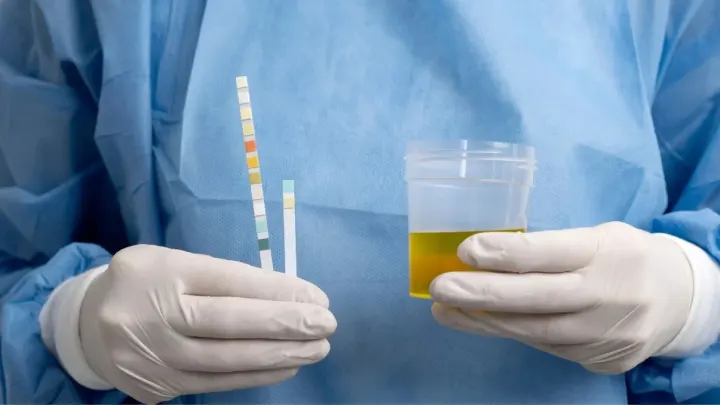
Pre-employment drug testing is a screening process used by employers before officially hiring a candidate. The purpose is to determine whether an applicant has used illegal drugs or controlled substances that could affect job performance or workplace safety. Many industries include drug testing as a standard part of the hiring process to maintain a safe and reliable workforce.
Drug testing is particularly critical in industries where safety is paramount. Employees operating vehicles, heavy machinery, or performing sensitive tasks must meet certain safety standards. Pre-employment testing helps ensure candidates meet these expectations before beginning their roles.
For CDL drivers and transportation employers, pre-employment drug testing is not just a best practice it is a federal regulatory requirement under 49 CFR Part 382 enforced by the FMCSA.
What Is a Pre-Employment Drug Test?
A pre-employment drug test is a screening conducted before hiring a candidate to detect the presence of certain drugs or controlled substances. Employers use it to maintain workplace safety and reduce risks associated with impaired performance.
For DOT-regulated employers, pre-employment testing is one of six mandatory testing categories under the DOT drug testing program. The others are random, post-accident, reasonable suspicion, return-to-duty, and follow-up testing. A candidate must pass the pre-employment test before being permitted to perform any safety-sensitive duties.
For non-DOT employers, pre-employment testing is optional but strongly recommended. Learn more about the reasons every workplace benefits from a drug testing program.
Why Do Employers Require Pre-Employment Drug Testing?
Employers implement drug testing policies to protect their workforce and ensure safe working conditions. Drug use can impair judgment, reaction time, and concentration increasing the risk of workplace accidents. By conducting pre-employment testing, employers can reduce these risks and promote a safer environment.
Drug testing also protects businesses from:
- Legal and operational liability
- Increased insurance premiums
- Workplace accidents and workers' compensation claims
- FMCSA audit violations see key insights on DOT safety audits
- Clearinghouse non-compliance penalties
Industries that commonly require pre-employment drug testing include transportation, construction, healthcare, and manufacturing. For transportation employers specifically, failure to conduct pre-employment testing is one of the most cited violations during FMCSA compliance reviews.
DOT Pre-Employment Drug Testing Requirements (CDL Drivers)
For employers regulated by the FMCSA, pre-employment drug testing carries specific federal obligations beyond a standard employer policy.
Mandatory Pre-Employment Test
Under 49 CFR Part 382, every CDL driver must pass a DOT pre-employment drug test before performing safety-sensitive functions for the first time. No exceptions are permitted. The test must use the federally mandated DOT 5-panel urine drug test.
FMCSA Clearinghouse Query Required
Before hiring any CDL driver, employers must also run a full pre-employment query through the FMCSA Drug and Alcohol Clearinghouse. This confirms whether the driver has any unresolved drug or alcohol violations from previous employers. Skipping this step is itself a federal violation learn about common Clearinghouse violations and how to avoid them.
Refusal to Test
If a CDL applicant refuses to take the pre-employment drug test, the refusal is treated as a positive result. The driver cannot be hired for safety-sensitive duties and the refusal must be reported to the Clearinghouse. Understand what qualifies as a DOT violation including refusals.
Previous Employer Verification
DOT employers must also contact the applicant's previous DOT-regulated employers from the past three years to check for any drug or alcohol violations. This is separate from the Clearinghouse query and is a mandatory step under 49 CFR Part 391.
When Is a Pre-Employment Drug Test Conducted?
A pre-employment drug test usually takes place after a conditional job offer has been made. This means the employer intends to hire the candidate but requires the candidate to pass a drug test before finalizing employment.
Applicants are generally required to complete the test within a specified timeframe often within 24 to 48 hours after receiving instructions from the employer. For DOT-regulated positions, the driver cannot begin any safety-sensitive work until a negative result is confirmed.
If the test is not completed on time, the employer may cancel the job offer. For CDL positions, allowing a driver to operate before receiving a negative result is a direct federal violation.
What Drugs Are Tested in a Pre-Employment Drug Test?
The substances tested depend on whether the position is DOT-regulated or non-DOT.
DOT Pre-Employment: Mandatory 5-Panel Test
DOT pre-employment testing uses the standardized DOT 5-panel urine drug test, which screens for:
- Marijuana (THC) note that marijuana's legalization does not exempt CDL drivers from DOT testing
- Cocaine what to know about cocaine drug testing
- Amphetamines (including methamphetamine) what AMP means on a drug test
- Opioids (Hydrocodone, Hydromorphone, Oxycodone, Oxymorphone) see expanded opioid drug testing
- Phencyclidine (PCP) what you need to know about PCP testing
Results are measured against federally mandated cutoff levels. All DOT testing must be processed through a SAMHSA-certified laboratory.
Non-DOT Pre-Employment: Flexible Panels
Non-DOT employers may choose their own drug panel. Common options include the standard 5-panel or an expanded 10-panel drug test that adds benzodiazepines, barbiturates, methadone, MDMA, and extended opiates. Learn about the difference between opioids and opiates when selecting expanded panels.
What Types of Drug Tests Are Used for Pre-Employment Screening?
Several testing methods are available. The most common is the urine drug test, which is required for all DOT pre-employment testing.
- Urine testing the standard for DOT testing; detects recent drug use and is the only method accepted under federal DOT regulations. Explore urine drug testing services
- Hair follicle testing detects drug use over a longer window (up to 90 days); used for non-DOT positions. See hair drug testing services
- Oral fluid / instant testing detects very recent use; used for non-DOT rapid screening. See instant drug testing options
- Blood testing least common; used in specific medical or legal contexts
Employers may choose the method based on their policy and industry requirements, but DOT-regulated employers have no flexibility urine testing through a certified lab is mandatory.
What Happens After the Pre-Employment Drug Test?
Once the sample is collected, it is sent to a certified laboratory for analysis. The process follows a strict chain of custody procedure to ensure sample integrity from collection to result.
Negative Result
The hiring process moves forward. For DOT positions, the employer can now authorize the driver to begin safety-sensitive duties.
Positive Result
A Medical Review Officer (MRO) reviews the result. If you have a valid prescription for the detected substance, the MRO will contact you for verification. If no legitimate explanation exists, the result is confirmed positive.
For DOT applicants, a confirmed positive means the job offer is typically withdrawn, the result is reported to the Clearinghouse, and the applicant cannot perform safety-sensitive duties. They must complete the Return-to-Duty process before being eligible again.
False Positive Concerns
If you believe your result is a false positive, you have the right to request a split-specimen retest within 72 hours of MRO notification. The second portion of your original sample is sent to a different certified lab for independent analysis.
Result Timeline
Results are typically returned within 24 to 72 hours for negative results. Positive or flagged results requiring MRO review may take longer.
Prescription Medications and Pre-Employment Testing
Certain prescription medications can trigger a positive result on a drug test. If you are taking a prescribed medication, the MRO will contact you during the verification process. Having documentation of your prescription ready can help resolve this quickly.
However, for DOT-regulated positions, some prescribed medications particularly opioids may still disqualify a driver from safety-sensitive duties even with a valid prescription. The MRO and the driver's medical examiner make this determination. Learn how prescribed medications can affect CDL drivers.
How to Stay Compliant as an Employer
Managing pre-employment drug testing correctly requires more than just scheduling a test. Employers especially those under DOT jurisdiction must maintain documented records, meet Clearinghouse obligations, and use compliant testing providers.
- Use a qualified C/TPA or certified drug testing clinic to manage your program
- Maintain a written drug and alcohol testing policy
- Run Clearinghouse queries before every CDL hire
- Keep records of all test results for the required retention period
- Enroll in a DOT random testing consortium to manage ongoing testing obligations
- Train supervisors on reasonable suspicion procedures for post-hire situations
If you are unsure whether your current program meets federal standards, review why every DOT employer needs a TPA or C-TPA.
Frequently Asked Questions (FAQs)
1. What is a pre-employment drug test?
A pre-employment drug test is a screening conducted before hiring to detect illegal drugs or controlled substances. For DOT employers, it is federally required under 49 CFR Part 382 before a CDL driver performs any safety-sensitive duties.
2. Is pre-employment drug testing required by law?
For DOT-regulated employers and CDL drivers, yes it is a federal requirement. For non-DOT employers, it depends on company policy and state law. The rules differ significantly between DOT-regulated and non-DOT employers.
3. When is the drug test scheduled?
It is usually scheduled after a conditional job offer. Most employers require it within 24 to 48 hours. For DOT positions, the driver cannot begin work until a negative result is confirmed.
4. What drugs are tested in a DOT pre-employment test?
The DOT 5-panel screens for Marijuana (THC), Cocaine, Amphetamines, Opioids, and PCP. Results are verified against federally mandated cutoff levels.
5. What happens if a CDL driver fails the pre-employment drug test?
The job offer is typically withdrawn, the result is reported to the FMCSA Clearinghouse, and the driver cannot perform safety-sensitive duties until they complete the Return-to-Duty process.
6. Can prescription medications cause a positive result?
Yes. A Medical Review Officer (MRO) will contact you to verify prescriptions before confirming a positive. If you believe there is a false positive, request a split-specimen retest within 72 hours.
7. Does a DOT employer need to check the Clearinghouse before hiring?
Yes. A full pre-employment Clearinghouse query is mandatory for all CDL hires. Skipping this step is a federal violation with significant penalties.
8. What is the difference between DOT and Non-DOT pre-employment testing?
DOT testing is federally mandated, uses a fixed 5-panel urine test at a SAMHSA-certified lab, and requires Clearinghouse verification. Non-DOT testing is employer-driven, allows flexible panels and methods, and has no federal reporting requirements.
9. How long do pre-employment drug test results take?
Negative results typically return within 24 to 72 hours. Positive or flagged results requiring MRO review may take longer depending on verification needed.
10. What happens if an applicant refuses to take the pre-employment drug test?
For DOT positions, a refusal is treated the same as a positive result, must be reported to the Clearinghouse, and bars the driver from safety-sensitive duties. For non-DOT positions, the employer may withdraw the job offer.
Final Thoughts
Pre-employment drug testing is a critical step in the hiring process especially in transportation and other safety-sensitive industries. For CDL drivers, it is a federal legal requirement that determines eligibility to work before day one. For all employers, it reduces liability, promotes workplace safety, and ensures a responsible workforce.
Understanding the full process from the conditional job offer, to the test itself, to MRO verification and Clearinghouse reporting protects both employers and applicants and ensures no compliance gaps exist.
goMDnow provides nationwide pre-employment drug testing services for both DOT and non-DOT employers, with access to 20,000+ testing centers nationwide. Whether you need a single test or a complete compliance program, explore our drug testing pricing or contact us today to get started.